It’s late evening and you’re finally ready to dive into your side hustle work. But before you can focus, the sound of the dishwasher starting or a request for help with the kids pulls your attention away. If this feels familiar, you’re not alone. When your home doubles as your workspace, balancing side hustle demands with household life can get tricky. Making a side-hustle agreement with the people you live with can help create clearer expectations, better coordination, and reduce those small everyday tensions.
Why a Side-Hustle Household Agreement Matters
Living with others means your space and time are shared resources. When you add a side hustle into the mix, it’s like inviting new rhythms and responsibilities into that shared space. Without talking openly about how that affects chores, noise, and shared areas, misunderstandings can build up, leaving everyone a bit frustrated.
A side-hustle household agreement is essentially a conversation that turns into a simple plan. It’s not about rigid rules or contracts but about recognizing everyone’s needs and finding ways to support each other. This kind of agreement helps ensure your side hustle can grow without creating friction at home.
Starting the Conversation: Tips for Bringing It Up
Bringing up an agreement might feel awkward or overwhelming, especially if things are already busy. Here are some gentle ways to start:
- Pick a calm moment. Avoid launching into the talk during a stressful or rushed time.
- Frame it as teamwork. Emphasize that you want to find ways everyone can feel comfortable and supported.
- Be clear about your side hustle needs. Share what kind of space, time, or quiet you might require.
- Invite their input. Ask what’s important for them in shared spaces and chores.
For example, you might say, “I’m working on my side hustle in the evenings and want to make sure it works for all of us. Can we chat about how to share space and chores so it feels fair?”
Key Areas to Address in Your Agreement
While every household will have unique needs, certain topics tend to come up often when balancing side hustles and living together. Here’s a practical list to guide your conversation:
1. Shared Space Use
Discuss how your workspace fits into common areas. Are you working at the kitchen table or a corner of the living room? Consider:
- Times when you need the space uninterrupted.
- How to keep your work materials organized and out of the way when not in use.
- Ways others can know when you’re busy without feeling excluded.
For example, a simple signal like a closed door or a small sign might help communicate your availability.

2. Noise and Distractions
Side hustles often demand focus, but homes have their own symphony of sounds. Talk about:
- When quieter times are possible and realistic.
- Use of headphones or background noise to minimize distraction.
- Flexibility when interruptions happen unexpectedly.
Remember, some noise is part of living together, so aim for understanding rather than perfection.
3. Household Chores and Responsibilities
Chores can quickly become a source of tension if not shared fairly. Your side hustle might alter your availability for certain tasks. Discuss:
- Which chores each person feels comfortable handling.
- Adjustments needed to accommodate your work schedule.
- Ways to check in regularly and tweak responsibilities as things evolve.
For instance, if you’re handling evening work, perhaps someone else can take on dinner cleanup, with the understanding that you’ll contribute more on weekends.
4. Setting Expectations and Flexibility
No agreement is set in stone. Life changes, workloads shift, and that’s okay. Build in space for flexibility by:
- Planning regular check-ins to revisit the agreement.
- Being honest about when things aren’t working.
- Practicing patience and empathy.
This ongoing communication helps avoid resentment and keeps everyone feeling heard.
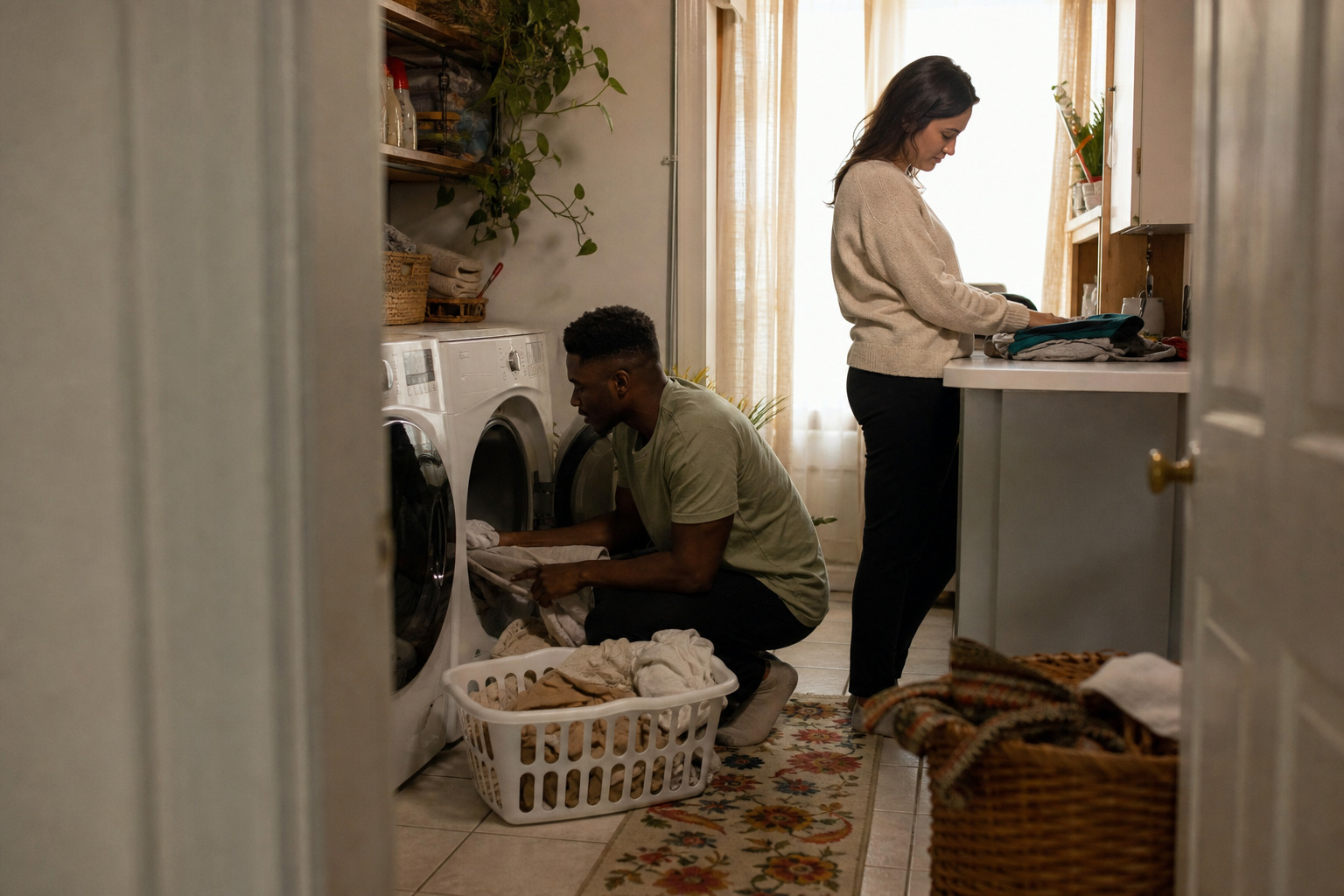
Example of a Simple Side-Hustle Household Agreement
Imagine a household where two people are balancing a side hustle and other responsibilities. Their agreement might look like this:
- Workspace: Side hustler uses the dining room table from 7 pm to 9 pm on weekdays. When not working, all materials are stored in a designated basket.
- Noise: Quiet hours requested during work time, with headphones used if background noise is needed. Family members will avoid loud TV or music in adjacent rooms during these hours.
- Chores: Side hustler handles breakfast prep and weekend laundry. Other housemates manage dinner dishes and weekday vacuuming.
- Check-in: Weekly Sunday evening chat to review how the agreement is working and adjust as needed.
This is just a starting point, but it shows how specific and practical agreements can be without being overwhelming.
Overcoming Common Challenges
Even with the best intentions, creating and maintaining a side-hustle agreement can be tricky. Here are some tips for common bumps:
- If conversations get tense: Take a pause and revisit when everyone is calmer. Use “I” statements to express feelings without blame.
- When needs change suddenly: Share updates quickly rather than letting frustrations build.
- Feeling guilty about asking for support: Remember that living together means mutual care, and clear communication is part of that.
These moments don’t mean failure; they’re part of learning how to live and work alongside others.
The Payoff: How This Agreement Supports Your Side Hustle and Relationships
Having a side-hustle household agreement isn’t about controlling every detail. It’s about creating a home environment where you can focus on your work with fewer interruptions and where the people you live with feel respected and included.
It can make your side hustle feel less like a secret mission and more like a shared journey. When everyone knows what to expect, the small everyday stresses diminish, leaving more energy for creativity and growth.
Plus, the skills you develop in negotiating and communicating around these agreements are valuable for your business relationships too.
One Small Next Step
Take a moment this week to jot down two or three things you’d like to discuss about your side hustle and home life. Maybe it’s about where you work, how chores are split, or how to handle noise. Use these notes as conversation starters with the people you live with. Remember, this isn’t about perfect plans but about starting a dialogue that makes your shared life easier and kinder.